

Sofas and sectionals: seat depth, the frame, and the doorway
A sofa is the piece a living room is arranged around and the one most often bought from a listing. Its specification sheet is a set of measurements, and three of them — depth, seat height and the width of the widest piece — decide whether it works before anything about comfort does.
What the category is
Sofas seat two or three; loveseats two; sectionals join two or more pieces into an L or a U; sleepers hide a mattress; futons fold flat; modular sets let you add or remove seats. Frames are hardwood, engineered wood or steel; fills are foam, foam over springs, or foam with fibre or down wrap; upholstery is fabric, leather, faux leather or velvet. The listing names all of these, some more honestly than others.
How to read the spec sheet
Overall width, depth and height in inches. Depth is the one people forget: 34 to 36 inches is a sit-up sofa, 38 to 42 is a lounging one and eats floor. Height decides whether it blocks a window sill.
Seat height, depth and width: 17 to 19 inches high is standard; 20 and up suits tall people and bad knees; under 17 is low and modern. Seat depth of 21 to 23 inches suits most; more needs cushions behind you. Seat width per person is what “three-seater” actually means.
The doorway: the sheet’s package dimensions, or the assembled height and depth, against the narrowest door and any turn on the way. A sofa that arrives in pieces (modular, or with removable legs and back) is the safe answer for a tight hallway, and the sheet says whether it does.
Frame: kiln-dried hardwood is the durable claim; engineered wood is common and fine at the price; a metal frame is usual on sleepers. “Wood” with no adjective is probably particleboard.
Fill and springs: high-density foam (the density in pounds per cubic foot, where stated, is the honest figure), sinuous springs or pocket coils under it, and a fibre or down wrap for softness. Foam alone sits firm and lasts; feather-wrapped cushions need plumping.
Upholstery: performance fabric names a cleaning code and sometimes an abrasion count; top-grain leather is leather, bonded leather is not; velvet shows every direction it is brushed.
Weight rating: per seat or for the piece, and the sheet is not always clear which. 250 pounds per seat is ordinary.
Sleepers add mattress size and type; sectionals add whether the chaise is reversible and how the pieces connect.
Who it suits
A deep sectional for a family room where people lie down; a firm, shallow sofa for a formal room or a small one; a modular set for a room that changes or a stairwell that turns; a sleeper for a flat with guests and no spare room.
Who should skip it
A single person in a small room, for whom a good armchair and a loveseat use the space better than a three-seater. And anyone measuring the room before the doorway.
Where to start
Or answer four questions and let the living room finder narrow the 114 to the ones that fit how you sleep.
Six of the 114 sofas & sectionals living room pieces reviewed on this site, one per model, across manufacturers. Every review is written from the manufacturer’s published specifications — how, and what that leaves out.
- Ashley Valerani Sofa
- Yaheetech Convertible Futon Sofa Bed
- LINSY HOME Pull Out Sofa Bed
- Furmax Sectional Sofa
- 151″ Modular Sectional Sofa
- Signature Design by Ashley Calderwell Loveseat
All 114 sofas & sectionals piece reviews
Newest first. Consumables, accessories and parts that were once filed here are excluded.
-
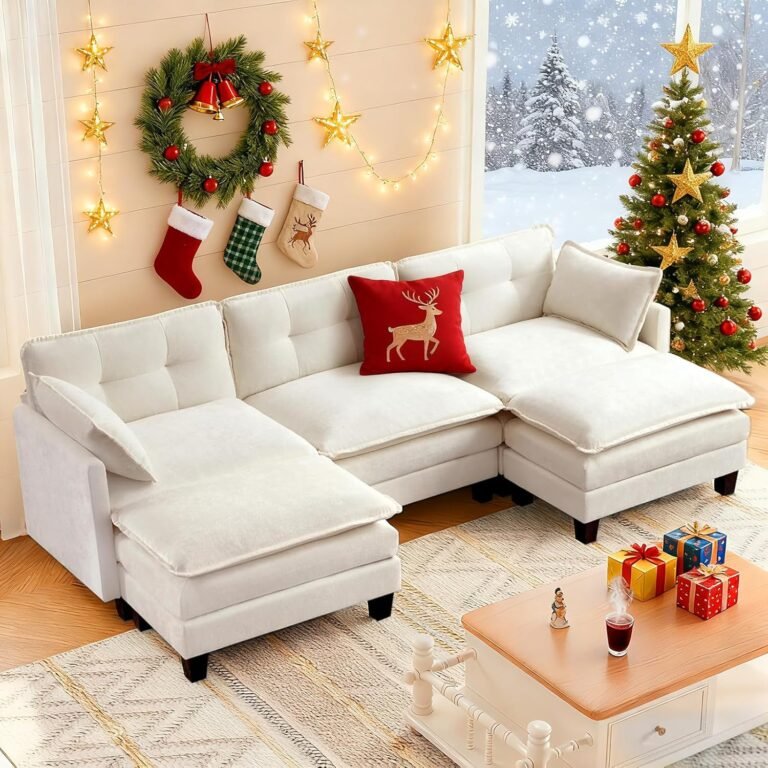
Modular Sectional Sofa – Beige Comfort | Amsleekey
Discover the Amsleekey Beige Modular Sectional Sofa! Cloud-like comfort, flexible design, durable construction. Perfect for living rooms, apartments, & families.
-
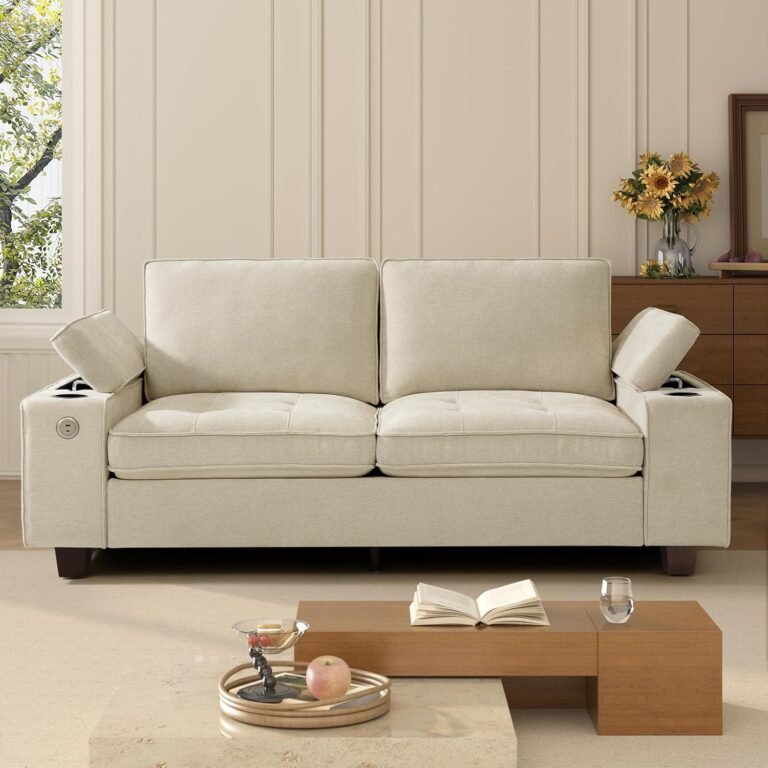
Modern Loveseat – Beige Sofa with Storage & USB Ports
Stylish 84″ beige loveseat with adjustable armrests, hidden storage, USB/Type-C ports. Perfect for apartments & modern living rooms. Shop now!
-
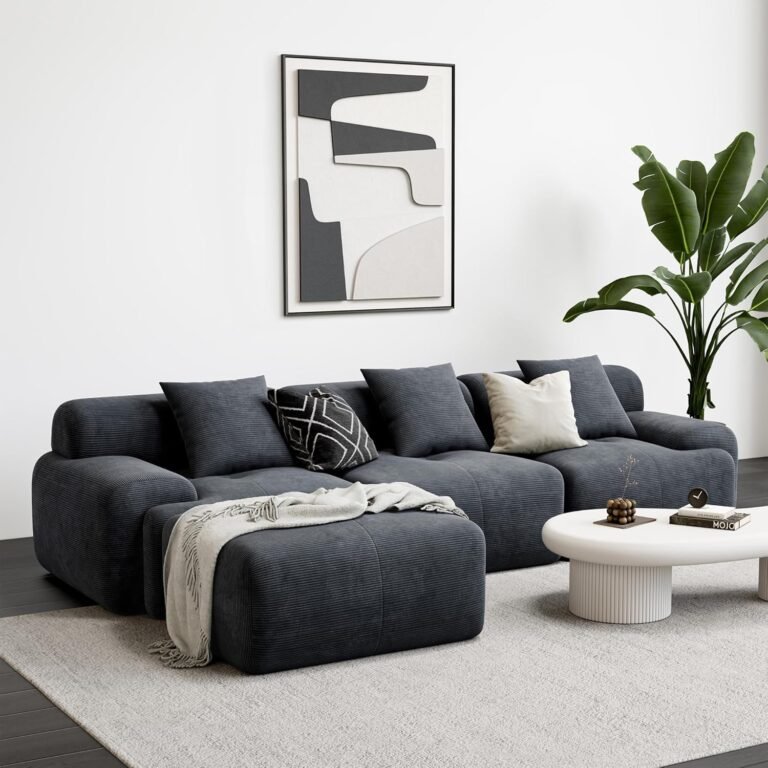
LIKIMIO Sectional Sofa Review – Modern Comfort & Style
Review of the LIKIMIO 118″ modern sectional sofa: features, benefits, pros & cons. Explore this modular, charcoal blue couch – perfect for…
-

Foldable Storage Ottoman | Grey Linen Bench | DUMOS
Maximize space & style with the DUMOS Foldable Storage Ottoman. A comfortable bench, stylish footrest, & clever storage solution for your living…
-
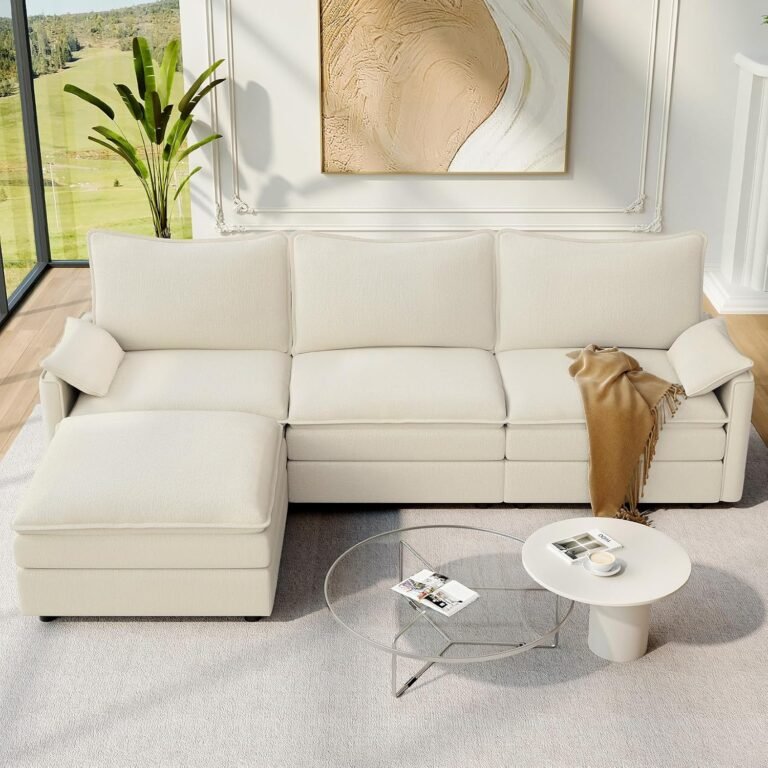
Vesgantti Sectional Sofa Review – Comfort & Style
Review of the Vesgantti 108″ Modular Sectional Sofa. Explore features, benefits, pros & cons, and discover if this comfy cloud couch is…
-

Black Velvet Ottomans with Storage | Modern Living Room Decor
Stylish black velvet ottomans with gold accents offer storage and comfort. Perfect for small spaces, modern living rooms, and families. Shop 2BYF!
-
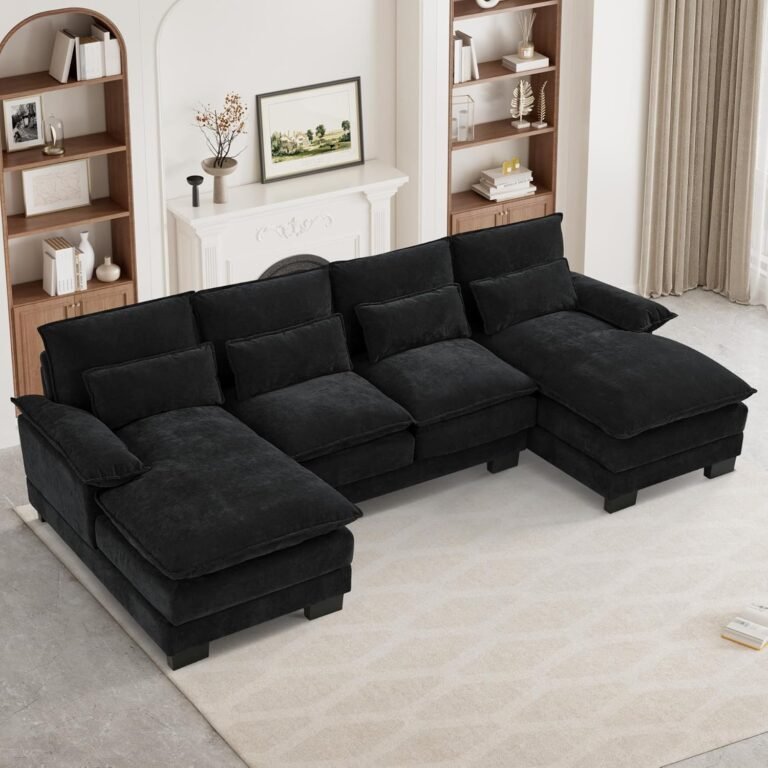
U Shape Cloud Sectional Sofa – ONEMMLION Black Comfort
Experience ultimate comfort and modern style with the ONEMMLION Cloud U-Shaped Sectional Sofa. A spacious, durable, and chic addition to any living…
-

FONTOI Leather Sectional: Modern Comfort & Style
Shop the FONTOI Leather Sectional: a versatile & stylish sectional sofa with modular design, cup holders & nail-head trim for modern living…
-
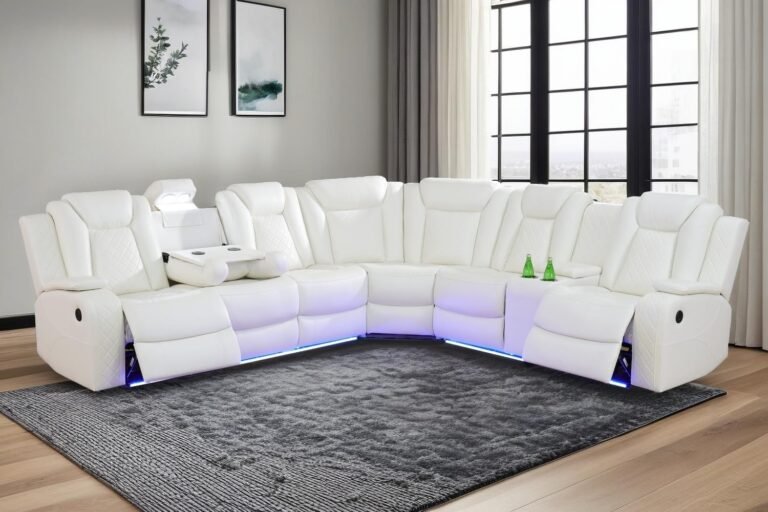
Ainehome Power Recliner Sectional – Comfort & Style
Experience ultimate relaxation with the Ainehome Power Recliner Sectional! Premium leather, power recliners, LED lighting & smart storage. Perfect for families &…
-
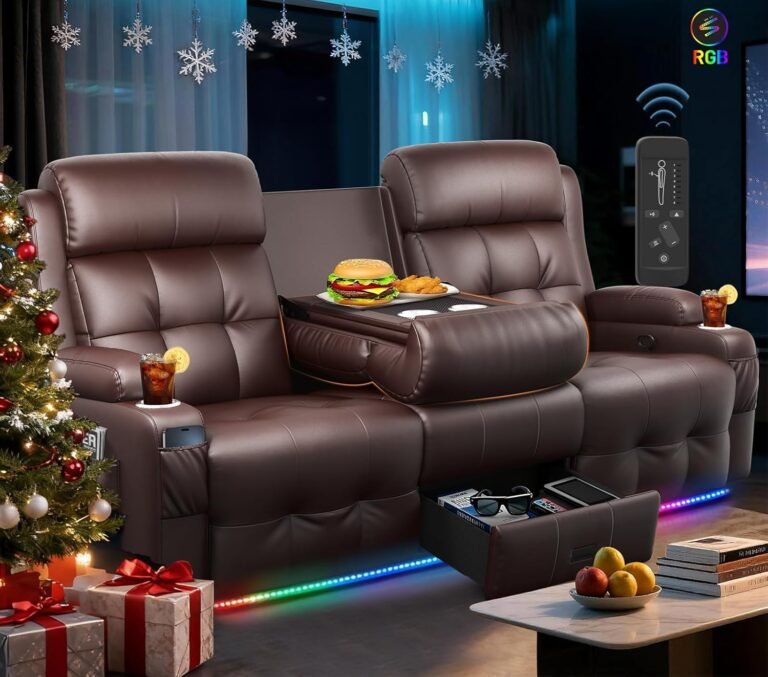
Tomoslter Recliner Sofa | Home Theater Seating
Transform your living room with the Tomoslter 3-Seater Loveseat Recliner! Space-saving, comfortable, & stylish – perfect for apartments, RVs & home theaters.
-

Beige Linen Sofa Set | Modern Living Room Furniture
Shop the ADOWORE 3-Piece Linen Sofa Set for stylish, comfortable, & space-saving living room furniture. Beige sofa with storage ottoman & flexible…
-

Grey Scroll Arm Sofa Set – Modern Living Room Furniture
Shop the Panana 2 Piece Grey Scroll Arm Sofa Set! Stylish & space-saving design. Durable fabric, easy cleaning. Ideal for apartments &…